Complete Guide to choosing the right window repair company
Professional Window Repair: Return Your Home's Aesthetic Appeal and Efficiency
Expert glass restoration is important in keeping up a home's looks and efficiency. It addresses common issues such as drafts and condensation that weaken energy efficiency. Many homeowners may overlook the signs of damage, not aware of potential risks. Understanding the benefits of professional repair can lead to significant improvements in both aesthetics and utility costs. What things should be evaluated before making this essential choice?
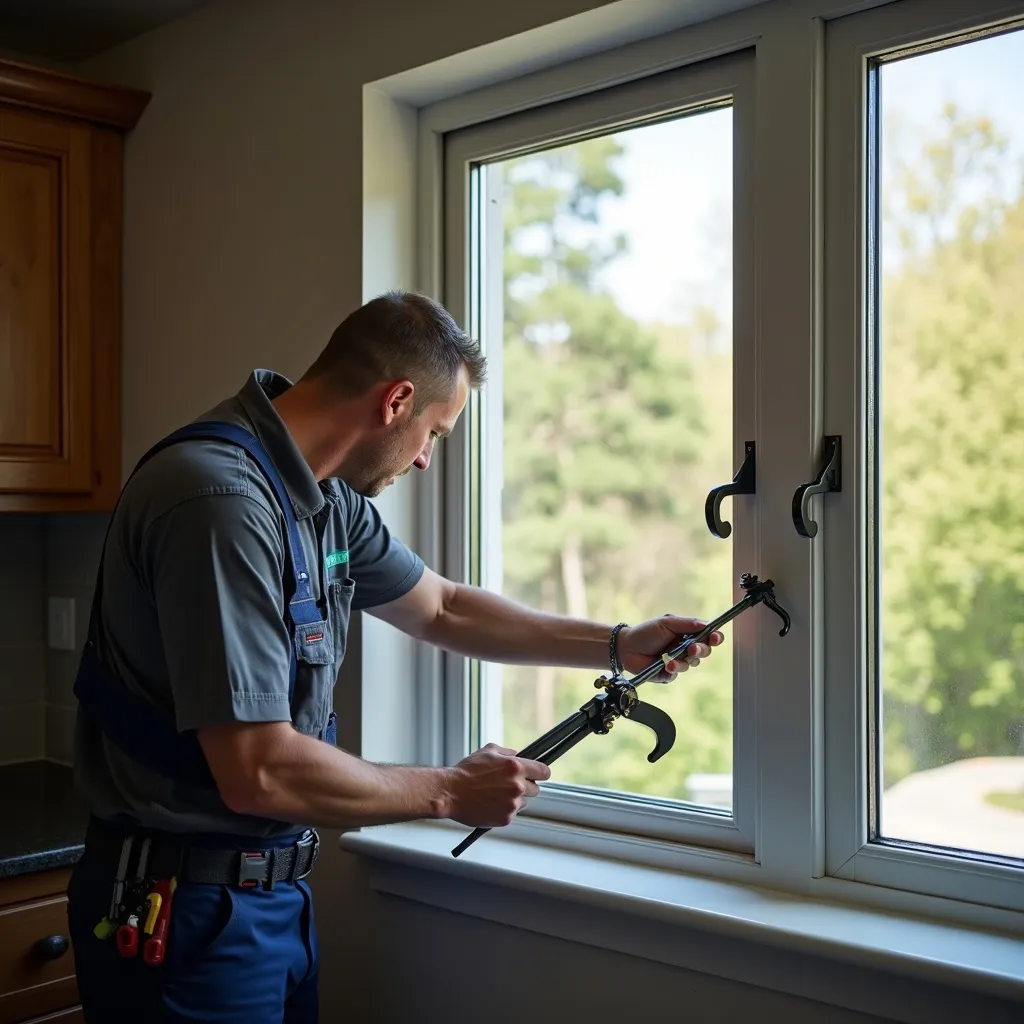
Signs That Indicate You Require Window Repair
Windows act as both a barrier and a gateway, and their condition has a direct impact on a home’s ease and efficiency. Homeowners need to be alert for several signs that indicate window repair is necessary. A common symptom is the presence of drafts, which can suggest gaps in seals or frames. Condensation forming between glass panes shows a failure in insulating ability, while visible cracks or chips in the glass can undermine both aesthetics and safety. Also, difficulty in opening or closing windows may reflect problems with the hardware or frame alignment. Another major indicator is the presence of water stains or mold around the window, which may cause further damage if not treated quickly. Routine inspections and upkeep can help catch these issues early, guaranteeing that windows stay functional and improve the home’s overall environment. Noticing these signs can prevent more serious repairs down the line.
Broken Windows and Their Influence on Your House
When homeowners fail to address damaged windows, they may without awareness damage the comfort and safety of their home environment. Windows that are damaged or improperly sealed can produce drafts, enabling cold or hot air to enter the home, which disrupts indoor temperature stability. This not only causes irritation but also elevates energy costs as air conditioning and heating systems work harder to maintain desired temperatures.
Furthermore, faulty windows can create security threats, as they may neglect to provide proper protection against intruders. Additionally, apparent damage can diminish a home's overall aesthetic, reducing its visual appeal and potentially impacting property value. Water seepage through breaks and openings can lead to mold growth, which creates health hazards to occupants. Overall, the impact of faulty windows extends beyond mere aesthetics, affecting security, livability, and structural durability. Homeowners should emphasize window repair to preserve their living environment and improve their home's value.
Skilled Window Repair Elevates Aesthetics and Energy Conservation
Neglected windows not only undermine safety but also reduce a home's visual appeal and energy efficiency. Skilled window repair tackles these problems, improving both aesthetics and performance. By installing new cracked or fogged glass, experts restore a clear view, enabling daylight to illuminate interiors and elevate the overall mood. Carefully maintained frames and trim also enhance to a cohesive exterior, strengthening curb appeal.
In terms of power conservation, repaired windows minimize air leaks and thermal loss, resulting in decreased utility expenses. Skilled experts ensure correct weatherproofing and thermal protection, which minimizes energy waste. This not only benefits homeowners financially but also contributes to ecological responsibility. Ultimately, investing in expert window restoration revitalizes a home's charm while promoting a more comfortable living environment. Through this blend of aesthetic improvement and cost reduction, homeowners can experience both short-term and extended advantages.
What Elements Control the Expense of Window Restoration?
Multiple factors significantly influence the expense of window repair. The material and type of the window, the extent of the harm, and the associated labor and installation costs all function as vital roles in establishing the overall price. Understanding these aspects can help homeowners reach well-informed choices regarding their restoration needs.
Window Classification and Material
The type and material of a window significantly impact the cost of repair. Various window styles, such as double-hung, casement, or sliding, have distinct parts and systems, which can affect labor expenses and component prices. Materials also play a significant role; wooden frames may need more comprehensive upkeep and specialized skills, while vinyl and fiberglass are often easier and less expensive to repair. Additionally, the energy efficiency properties of certain materials may necessitate specific repairs or replacements, further impacting costs. Overall, understanding the relationship between window type and material can help homeowners budget more effectively for required maintenance, ensuring both visual attractiveness and operational performance are maintained.
Extent of Damage
Knowing window types and material types sets the stage for determining repair costs, but the magnitude of damage is a major factor that can strongly influence pricing. Minor defects, such as fine cracks or weather stripping failures, can often be repaired cheaply. In contrast, serious damage, like shattered glass or warped frames, may need large-scale repairs or even complete replacements, considerably raising costs. Furthermore, the location of the damage affects costs; damage to hard-to-reach windows may require specific equipment, further increasing expenses. The total age and condition of the window also influence the repair decision, as aged windows may not allow proper repairs. Ultimately, assessing the degree of damage is vital for a precise cost assessment.
Labor and Installation Expenses
Labor and installation costs play an essential role in consult now determining the total expense of window repair. Several variables affect these costs, such as the type of windows being repaired, the complexity of the job, and the local labor market rates. Skilled labor, often essential for intricate repairs, can require higher wages, affecting the total cost. In addition, the geographic location can significantly impact pricing; urban areas often experience higher labor costs compared to rural regions. Seasonal demand also influences pricing, with repairs potentially costing more during peak renovation seasons. Homeowners should collect multiple estimates to ensure competitive pricing and factor in the long-term benefits of professional installation versus DIY approaches, which may entail hidden costs.
When to Opt for Professional Repair Instead of DIY
When might property owners think about enlisting expert assistance for window repair instead of attempting the task themselves? The decision often copyrights on several factors. To begin with, if the harm involves complex issues such as broken frames, cracked glass, or malfunctioning mechanisms, expert knowledge is recommended. Professionals possess the expertise and equipment required to guarantee a secure and efficient repair.
Additionally, inexperienced homeowners in window installation or repair might inadvertently compound the problem, causing greater costs. For older or historic windows, the demand for specialized expertise becomes even more critical to preserve their structural integrity.
Additionally, if issues regarding safety arise—like tasks at elevated positions or moving heavy loads—qualified workers should be given precedence. Ultimately, whenever the repair task is beyond standard maintenance or poses safety risks, choosing a qualified technician is often a careful investment in the home’s charm and productivity.
How to Identify the Right Window Repair Expert
How can property owners ensure they select the best window repair specialist? First, they should seek referrals from friends, family, or online reviews to find trustworthy experts. Checking certifications and insurance is crucial, as it ensures the specialist is qualified and protects homeowners from potential risks.
Next, requesting multiple estimates facilitates comparison of pricing and services, aiding in avoid excess costs. Homeowners should ask about the specialist's experience, especially with the specific type of window needing restoration, as proficiency can significantly impact the standard of workmanship.
Additionally, open communication is critical; a skilled professional will heed worries and provide thorough information. Finally, checking warranties on both repairs and products can deliver confidence about upcoming problems. By following this process, property owners can confidently pick a window repair professional who meets their requirements and enhances their home's beauty and performance.
The Window Repair Stages: What to Look Forward To
The frame fixing process involves several important steps that residents should understand. To begin, a thorough assessment is performed to identify the issues at hand. Following this, assorted restoration methods are applied, ending with a quality check to ensure proper working order and quality.
Initial Evaluation Procedure
Inspecting a window’s condition is the important first step in the repair process. A qualified technician reviews various elements, including the frame, sash, and glass. They identify signs of damage such as cracks, rot, or warping, which can impair both appearance and functionality. In addition, the technician looks for air leaks and moisture ingress, which can result in energy inefficiency. Measurements are taken to make sure that any replacement components will fit correctly. The inspector frequently discusses the observations with the homeowner, providing insights into potential repair options and expenses. This thorough assessment forms the foundation for the next steps, ensuring that the repair process is tailored to the particular needs of the window in question.
Learn about fixing techniques in this overview
After completing the initial assessment, the window repair process involves a range of techniques tailored to address the particular problems discovered. Typical approaches include applying sealant to resolve drafts, glass replacement for cracked or shattered panes, and hardware adjustments to ensure proper function. In cases of rotting frames, replacing or repairing wood may be necessary to restore structural integrity. Additionally, weather sealing may be applied to improve thermal efficiency. Each method is chosen based on the extent of damage and the type of window. Expert professionals employ advanced equipment and supplies to perform these restorations successfully, ensuring that the windows not only recover their aesthetic appeal but also improve the total performance of the home.
Final Examination Steps
Finishing the window restoration process results in a thorough final assessment to ensure all issues have been addressed effectively. This step involves testing the functionality of each window, ensuring they open, close, and lock smoothly. Technicians inspect the seals for any openings, confirming that thermal protection is intact to enhance thermal performance. Furthermore, they assess the aesthetic aspects, ensuring that the repairs blend seamlessly with the original framework. Any visible imperfections or misalignments are fixed at this stage. In conclusion, a comprehensive assessment of the completed work is performed, enabling homeowners to inquire and obtain advice on upkeep. This careful final review guarantees that the restored windows not only appear attractive but also perform efficiently in the long term.
Regularly Asked Questions
How much time Does Window Repair Typically Take?
Window repair usually takes between one to three hours, depending on the extent of damage and window type. Complex repairs or many windows may extend the timeframe, requiring careful assessment by the technician.
May I Repair My Windows in the Winter Season?
Yes, windows can be mended in winter. However, chilly weather may impact certain materials and adhesives, potentially prolonging the process. Proper preparation and materials intended for low temperatures can promise effective repairs during this season.
Which Substances Are Generally Employed in Window Repairs?
Common materials utilized for window restoration include glass, weatherstripping, sealants, putty, and wood or vinyl frames. These components guarantee functionality, thermal protection, and aesthetic appeal, enabling successful restoration and upkeep of windows in different conditions.
Does Window Fix Cut Down Outside Noise?
Yes, window restoration can substantially lower external sound. By closing openings and fixing broken parts, repaired windows boost thermal efficiency, creating a barrier that reduces noise penetration and enhances living comfort within the home.
Do I need to prepare My Home Before Repairs?
Yes, making the home ready before repairs is essential. This requires clearing the area around the windows, ensuring easy access for contractors, and removing any fragile items to avert damage during the repair process.